You know that moment when you finish a workout and think, “Wow, I feel amazing. I should probably do this every day.”
And then… the next morning hits.
You roll out of bed like a questionable life decision. Stairs become a personal challenge. Sitting down is fin, but getting back up? That’s where things get a little dicey. Most people just chalk that up to, “Well, that means it worked.” And yes, soreness can mean you challenged your body, but it doesn’t mean you have to suffer through it like it’s a badge of honor.
Here’s the part that gets overlooked all the time: the workout is only half the job. Recovery is where the magic actually happens.
When you exercise, you’re not just “toning” or “burning”—you’re creating tiny micro-tears in the muscle. That sounds aggressive, but it’s actually how your body rebuilds itself stronger. The catch, your body needs the right conditions to repair those muscles efficiently. Otherwise, you’re just sore for longer than necessary, and for no good reason.
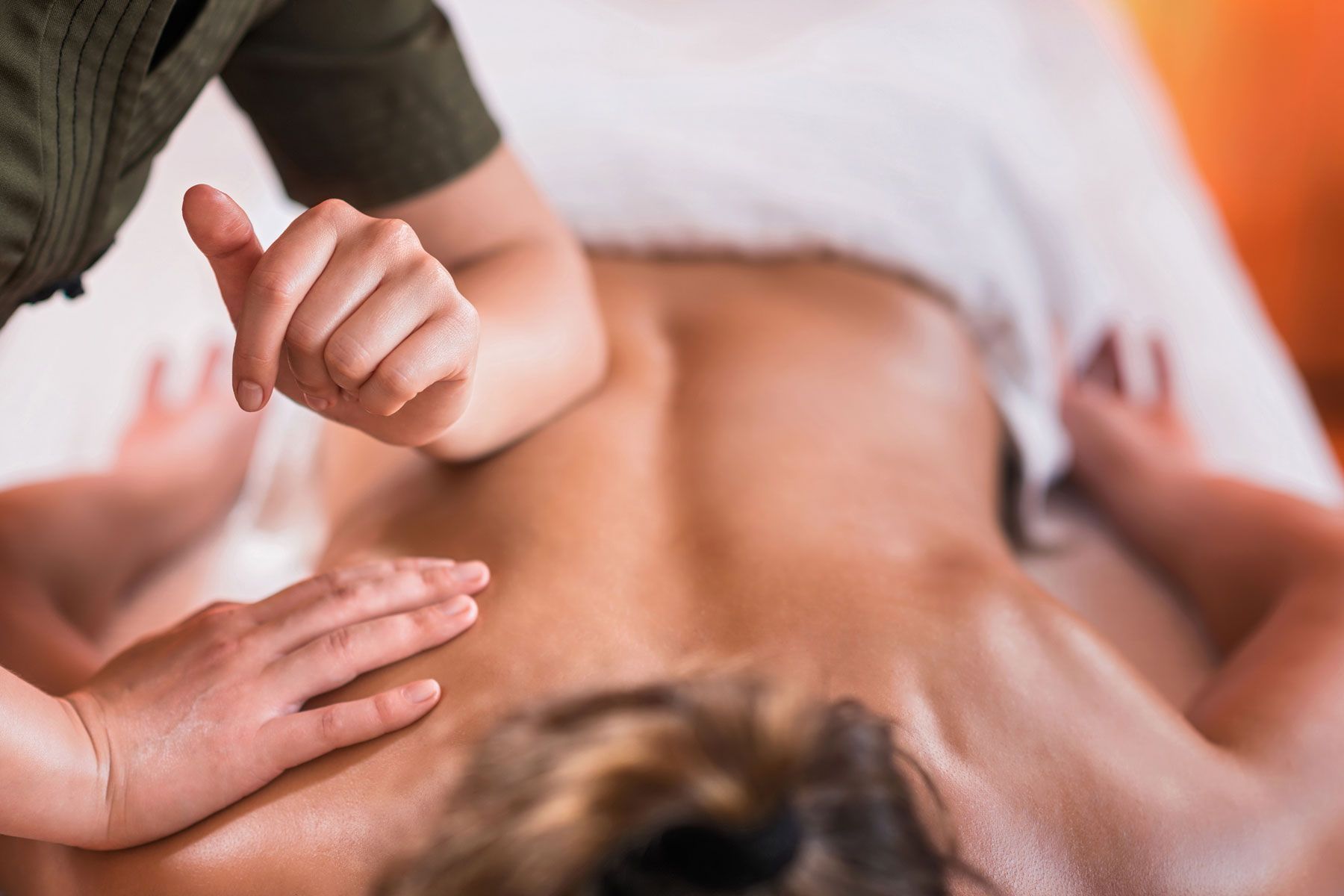
This is where massage comes in, and no, not just the “this feels nice, I deserve this” kind (although, honestly, you do). Massage is doing something very specific behind the scenes. It helps increase circulation, which means more oxygen and nutrients are getting back into those tired muscles. Because right now, your muscles are basically sitting there going, “Hey, we did the thing, can we get a little help over here?” Massage also helps move out the byproducts that build up during exercise, which is the stuff that contributes to that tight, heavy, “why do my legs feel like concrete?” sensation. And then there’s delayed soreness, the kind that doesn’t show up right away, but sneaks in 24 to 48 hours later like it’s got a personal vendetta.
Massage can take the edge off that. It may not make you feel like a brand-new human overnight, but it can absolutely make you feel like a functioning one. There’s also a piece most people don’t think about, and that’s your nervous system. When you’re working out, your body is in a very “go” mode, focused, activated, slightly stressed (in a good way). Massage helps flip that switch. It tells your body, “Alright, we’re done. You can relax now. Go repair everything we just did.” That shift matters more than people realize. It can improve sleep, reduce overall tension, and help your body improve as a result of the work you just put in. Because if your body never gets the signal to slow down, it doesn’t recover as well. And then you’re just stacking workouts on top of fatigue.
After that hard workout you walk away feeling tight, but hoping things will loosen up. When muscles stay tight, your body starts compensating. You move differently without even realizing it. That’s when little things start creeping in like aches, imbalances, tweaks that shouldn’t be happening but suddenly are. Massage helps keep everything moving the way it’s supposed to. It supports flexibility, improves range of motion, and keeps your body from turning into a stiff, slightly annoying version of itself. This isn’t about being indulgent. It’s about being strategic.
You don’t have to book a massage after every workout (although no one’s going to stop you). But building it into your routine, especially if you’re training regularly, can make a noticeable difference in how you feel day by day. Because the goal isn’t just to work hard. It’s to recover well enough that you can keep showing up without sounding like a bowl of Rice Krispies every time you move.
Strong is great.
Strong and functional? Even better.